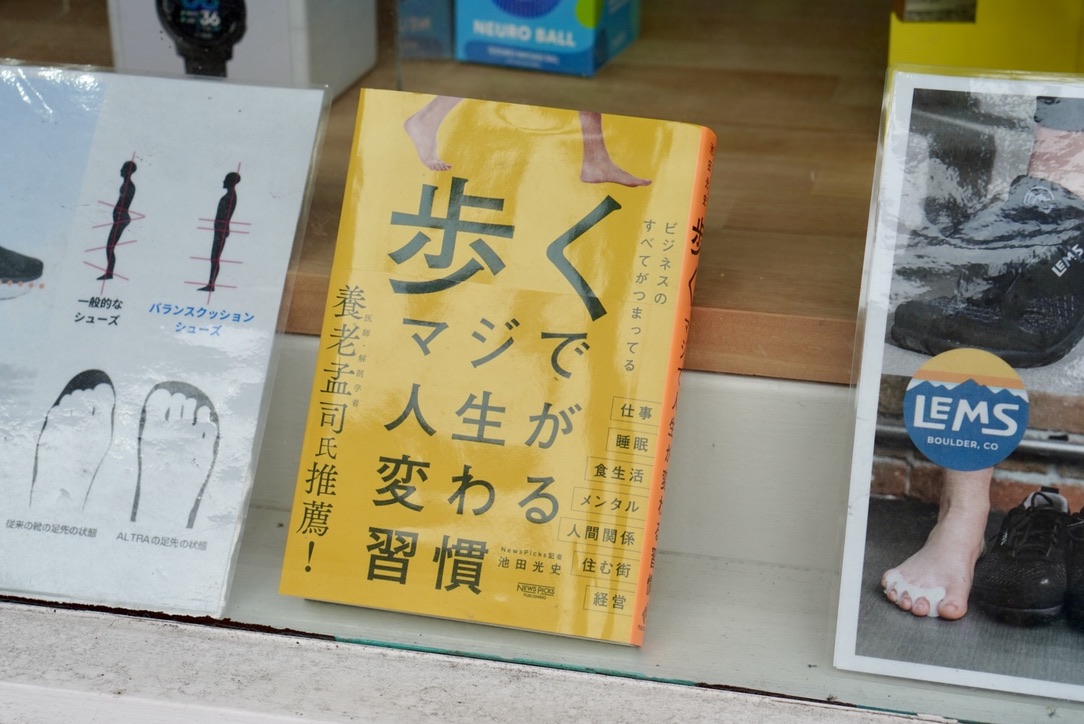



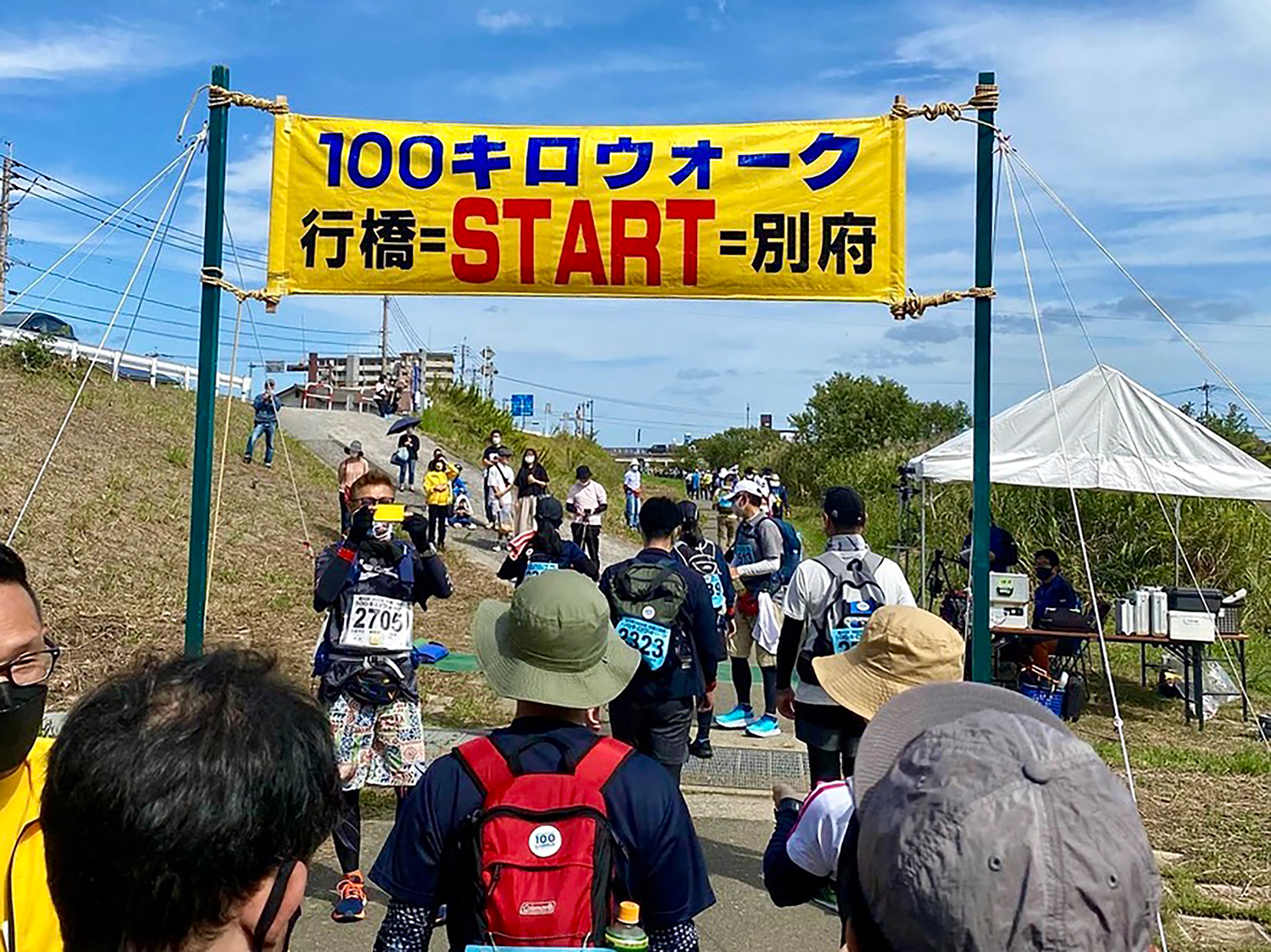
What is the 100-Kilometer Walk?
The “100-Kilometer Walk” refers to ultra-walking events held throughout Japan.
As the name suggests, it’s a race in which participants walk a distance of approximately 100 kilometers, with a time limit of about 26 hours. Participants range in age from 10 to their 80s.
A truly diverse group of people takes part—from a fourth-grader to veterans who have lived more than eight times as long. And people from completely different walks of life walk single-mindedly toward the same finish line 100 kilometers away.
It’s a staggering journey.
They walk step by step.
*Of course, running is not allowed!
Both women and men can participate—whether alone, with friends, or with family—and people gather from all over the country seeking an “experience they would absolutely never do on their own.”
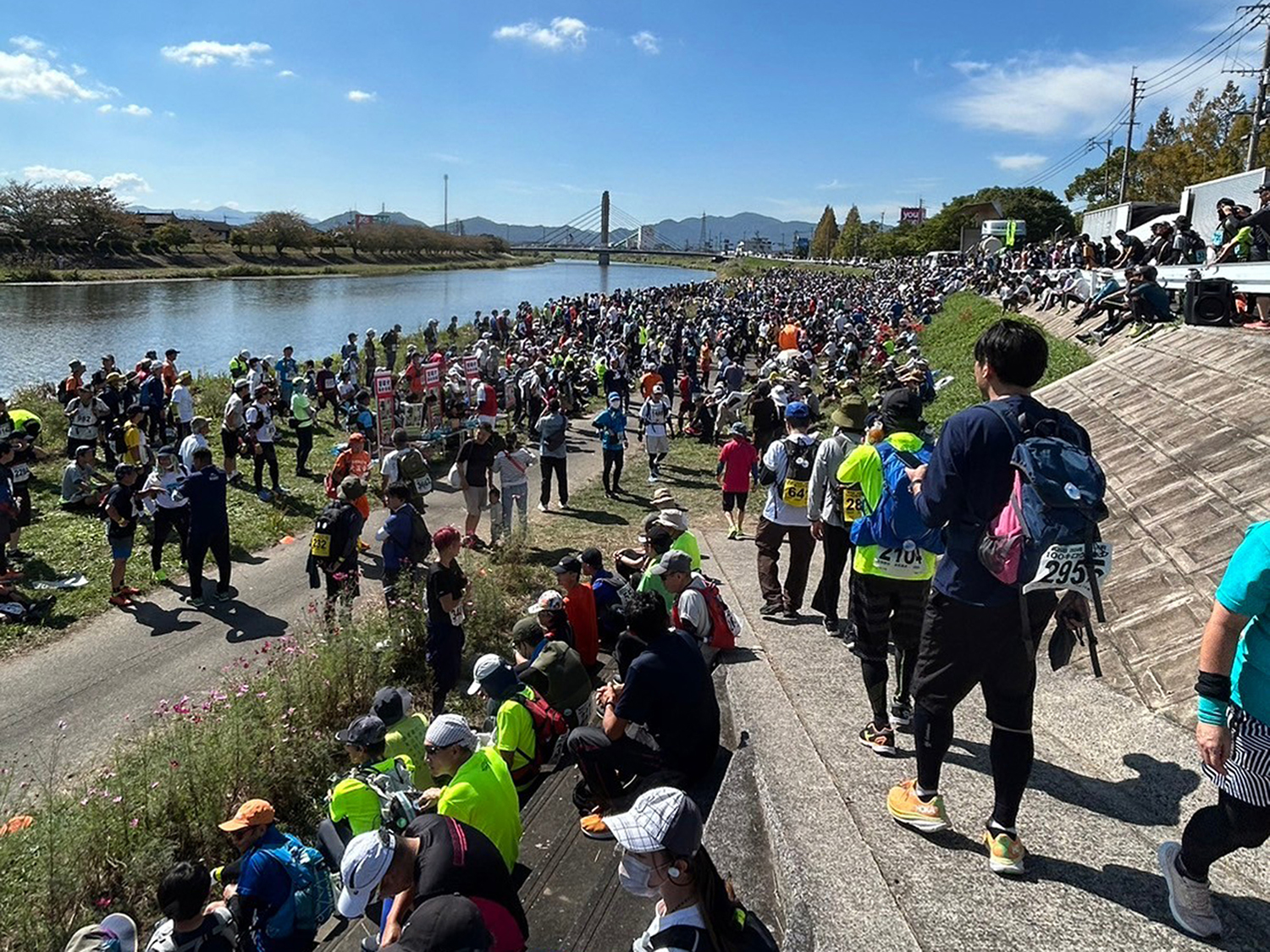
The Appeal of Walking 100 Kilometers and a Unique Experience
The experience of walking step by step over the immense distance of 100 kilometers holds a spiritual allure that has led some to call it “walking Zen” (Hozen).
Compared to running a marathon or cycling, walking isn’t fast, but that allows you to fully savor the surrounding scenery and the time spent with fellow walkers moving at the same pace.You might walk while chatting with strangers or walk in silence, lost in thought. This creates a unique sense of unity found nowhere else.
You start out feeling exhilarated, but as time goes on, you gradually become more composed, and thoughts like “Why did I even sign up for this…?” or “I want to go home, but I can’t…” may cross your mind.
Even so, your feet keep moving forward, and within the repetitive motion, you begin to discover a joy and sense of accomplishment that you can’t experience in everyday life.
I wonder if the pilgrimage along the Shikoku 88 Temple Route gives you a similar feeling.
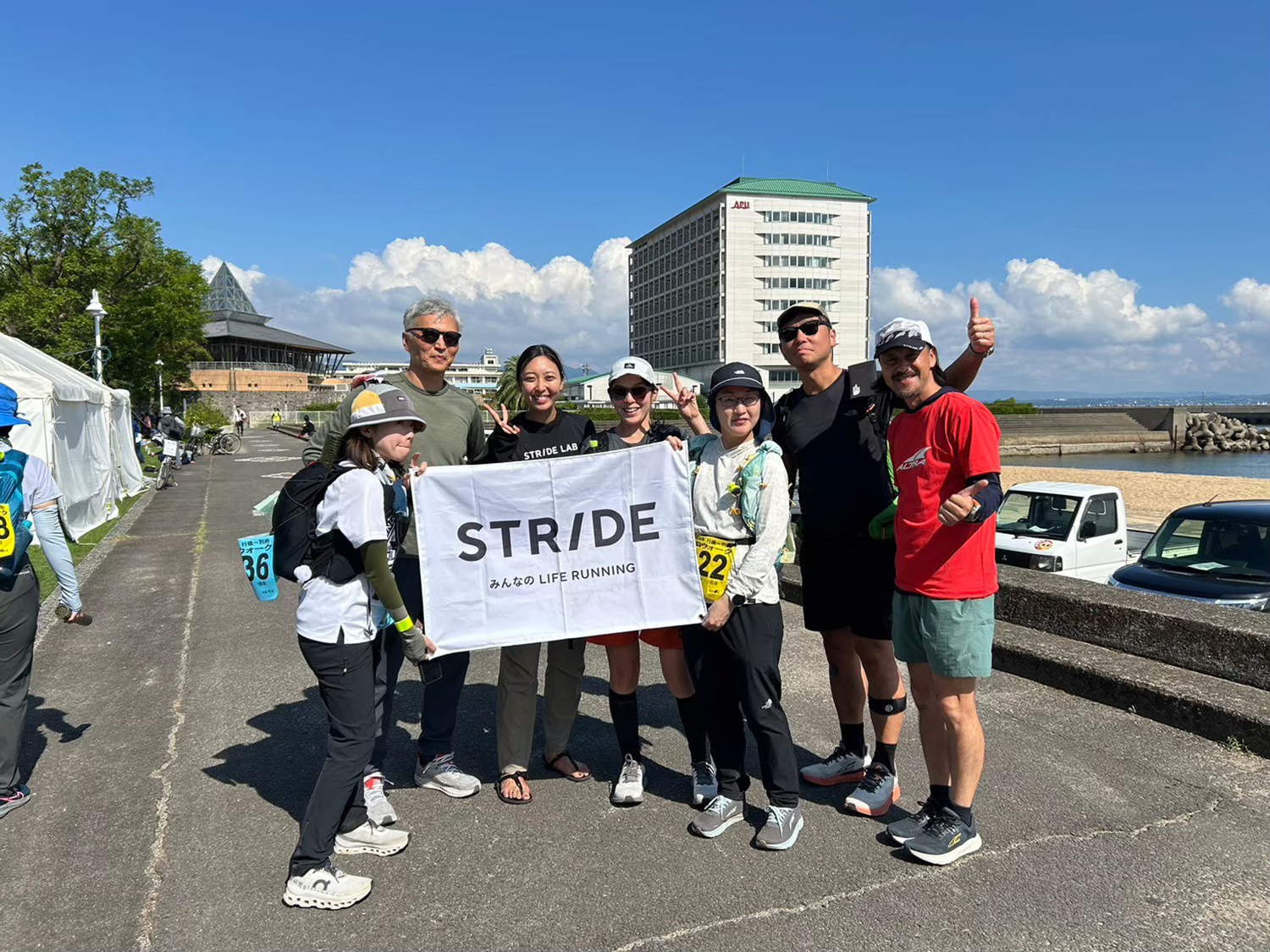
My Experience and the Appeal of the 100-Kilometer Walk
I participated for the first time eight years ago. It was really tough, but it gave me a sense of accomplishment completely different from any other marathon I’d run before, and I became a total fan.
We all take on challenges together—things we’d never experience if we just lived a laid-back, everyday life.
I think people enjoy taking on new challenges—whether it’s climbing a mountain, running a marathon, or forming a new habit. After all, taking on a challenge (even if it’s stressful) is exciting, and the people who take it on are truly inspiring.
At certain times, people are inexplicably drawn to “things they’d normally never do,” like walking an absurdly long distance.
It’s not like the world would change if I walked 100 kilometers myself, but for some people, it becomes a valuable experience and a source of confidence.
I was deeply moved when I saw the face of an elementary school student who had just finished the 100-kilometer walk—exhausted, yet brimming with confidence.
Perhaps full marathons and long-distance trail runs are just an extension of that.But since a walk is just walking, it might be more accessible and enjoyable for a wide range of people. Whether it’s elementary school students, couples whose children have grown up, or seasoned veterans of life, all kinds of participants face themselves at their own pace. I feel that the 100-kilometer walk offers an indescribable joy—almost a sense of unity—that comes from walking alongside such determined people.
In 2023, I participated in the “Itoshima Sando 110-Kilometer Walk.” There, a 70-year-old participant who effortlessly passed me as I was flagging said something that really stuck with me.
“Once a year—or at least once in your life—why not try walking 100 kilometers?”
I truly think that’s exactly right.
You might have an interesting experience from walking. Or maybe not.
But isn’t it worth giving it a serious try at least once?
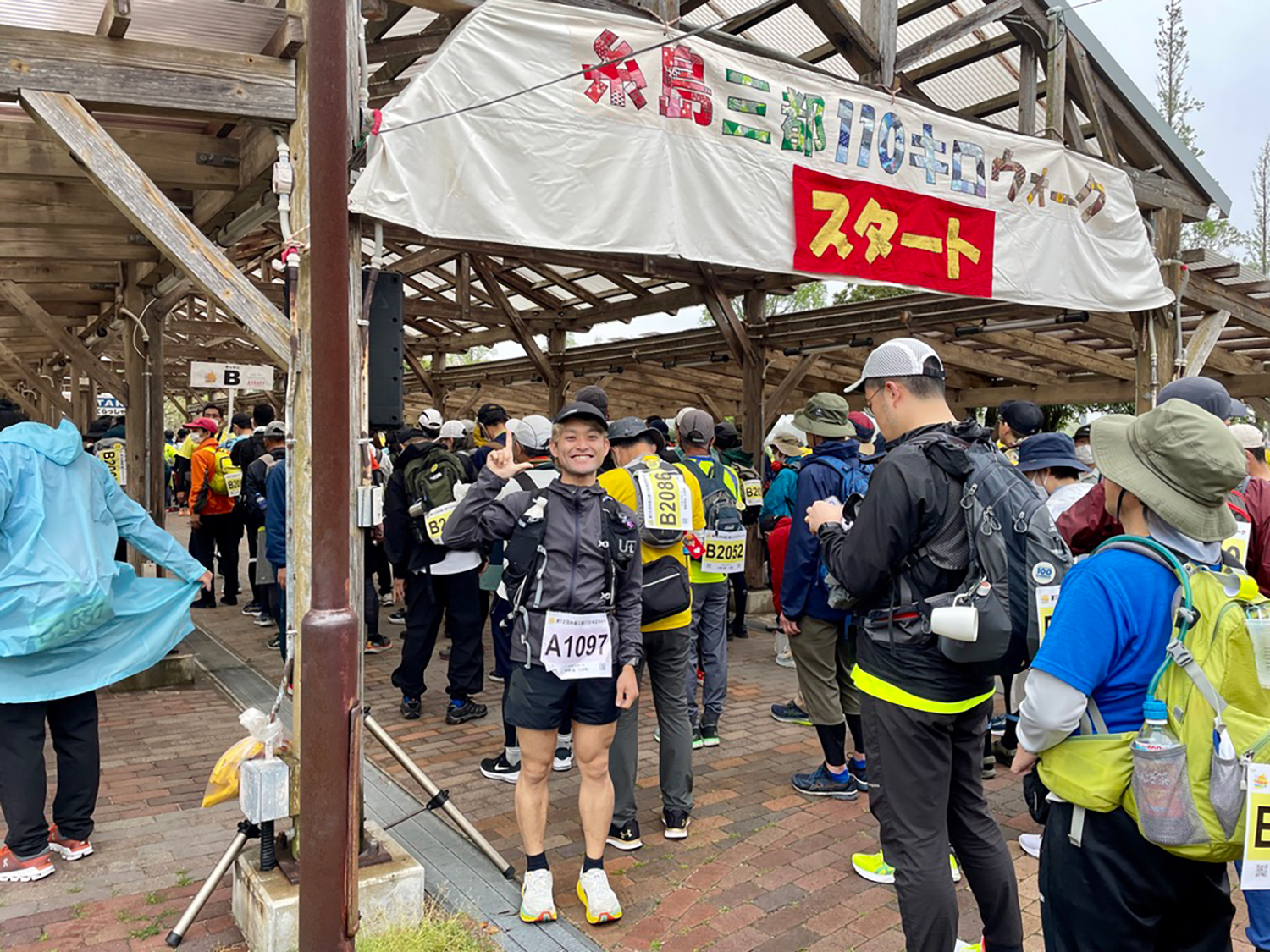
Features of the 100-Kilometer Walk
- A walking event that is not a competition and does not involve racing against the clock
- Running is prohibited
- Participants range in age from 10 to their 80s. A distinctive feature is that participants include not only athletes but also everyone from fourth-graders to people in their 80s, including families with three generations taking on the challenge together. While it’s a major challenge for the children, they gain a great sense of accomplishment by walking the same distance as the adults.By the end, a 10-year-old might be staggering around like an 80-year-old, but
In recent years, the event has gained nationwide popularity, with events such as the “Gunma 100km Walk (Gunma)”“Sunny Country Okayama 24-Hour Walk (Okayama),” and “Shioya 100 Walk (Tochigi)” have become increasingly popular, and events like the Tokyo Extreme Walk and Kansai Extreme Walk—sponsored by the Asahi Shimbun—are also attracting attention.
In Kyushu, numerous popular events are held, including the “Yukuhashi–Beppu 100-Kilometer Walk,” which attracts nearly 4,000 participants, as well as the “Sasebo–Shimabara Ultra Walk Rally,” the “Iizuka–Takeo 100-Kilometer Walk,” and the “Itoshima 110-Kilometer Walk.”
In the spring of 2025, the “Yuwatashi 100” will be held for the first time. It is a 100-kilometer route that crosses Kanagawa Prefecture, stretching from Yugawara to Bremen-dori in Kawasaki.
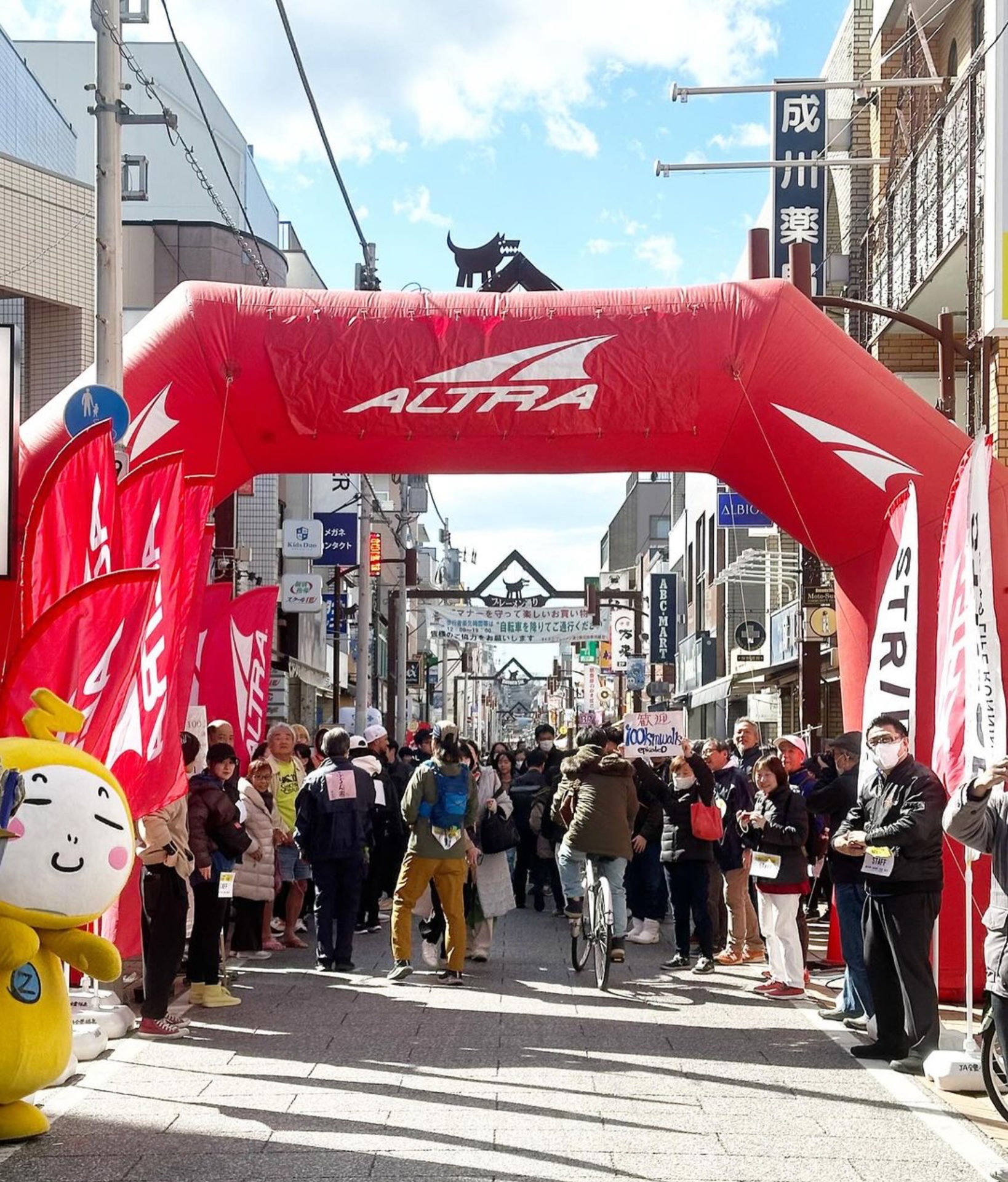
Training Methods Used by Staff Members to Walk 100 Kilometers
100 kilometers is roughly the distance from Tokyo Station to Atami, from Osaka to Ise Shrine, or from Kumamoto City to Fukuoka City. At first glance, it seems like an enormous distance, but with proper training, many people can complete the walk.
Of course, it’s difficult to complete this distance without any training at all. Here, I’ll share the training methods I used to prepare for the 100-kilometer walk.
Reviewing Your Walking Posture
First, start by checking whether you can stand up straight even when you’re not moving. It’s a good idea to check your posture using a mirror or a window. Walking for long periods with a hunched back or bent knees can lead to injuries such as stiff shoulders, lower back pain, and knee pain.Check your posture in a mirror, straighten your back, and focus on walking comfortably while swinging your arms rhythmically “backward.”
Make Walking a Habit
If you don’t usually walk much, start with 1–2 kilometers; if you’re already in the habit of exercising, start with 5 kilometers, and work up to being able to walk 5–10 kilometers comfortably.It’s important to maintain this practice not just once a week, but at a pace of once every 2–3 days. This will gradually build the muscle strength needed for walking and help you get used to your own walking pace. What I focus on is keeping my back straight when I start walking, not looking down, and walking comfortably while swinging my arms rhythmically.
Long-Distance Walking Experience
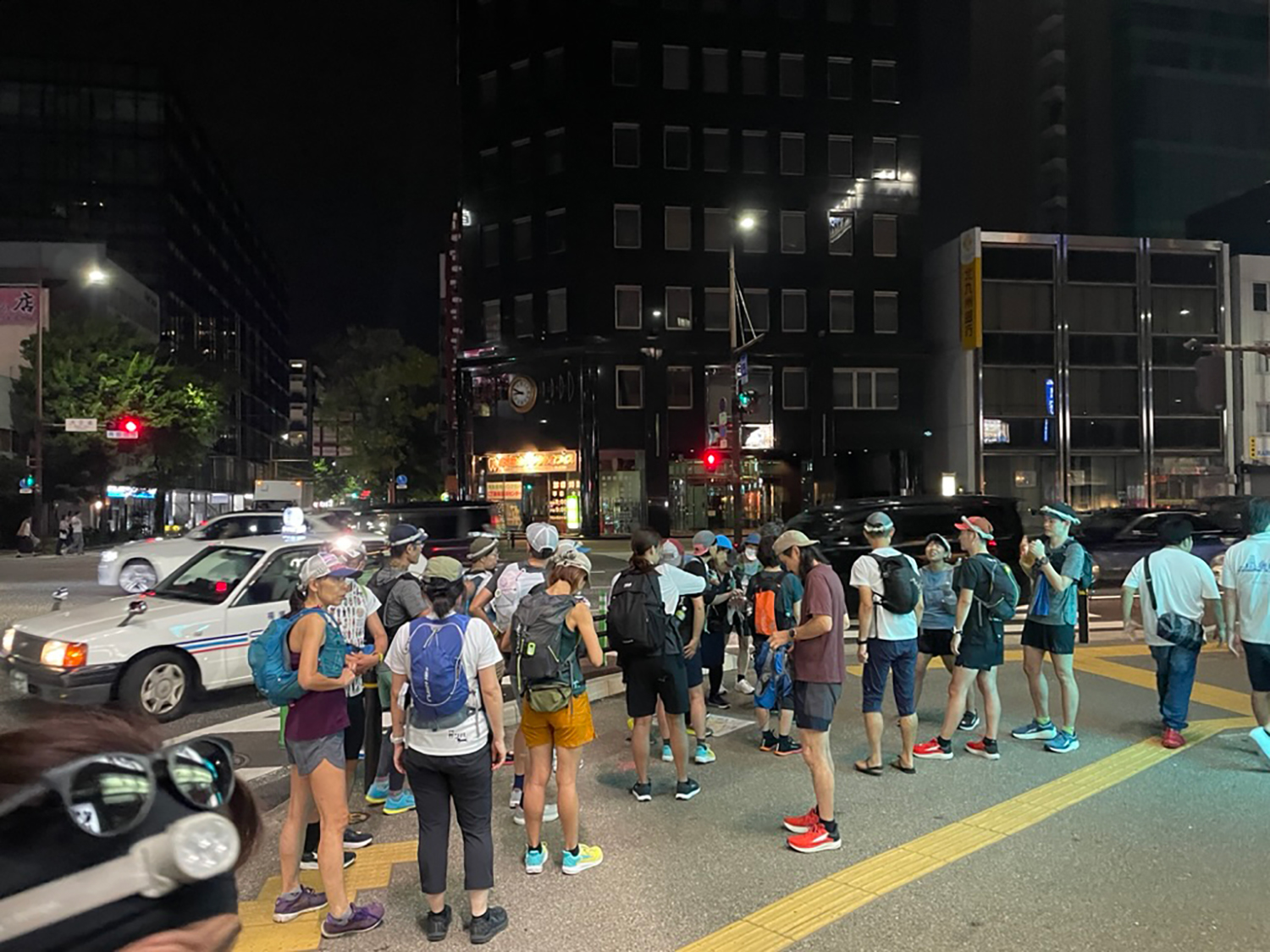
First, set aside time to walk for longer periods—starting with one hour, then two hours. You’ll discover challenges along the way. Then, ideally two to three months before the race, incorporate long walks of 10 hours or 50 kilometers into your training, and try walking at night for added peace of mind. You’ll naturally realize the necessity of a headlamp and socks.While it’s possible to take a nap, this often leaves you unable to move afterward, so you should generally be prepared to walk through the night. How you experience drowsiness and fatigue varies from person to person. Some people get sleepy late at night, while others reach their peak of fatigue at dawn. Be sure to check how your body reacts to long-distance walking before the event.
Pace Management
The average completion time for finishers is 20–22 hours, which works out to a pace of about 12–13 minutes per kilometer. While walking too fast is dangerous, walking too slowly will tire you out and cause you to run out of time, so be sure to identify a pace you can sustain. Before the event, you need to determine your own pace—one that allows you to walk briskly for extended periods.
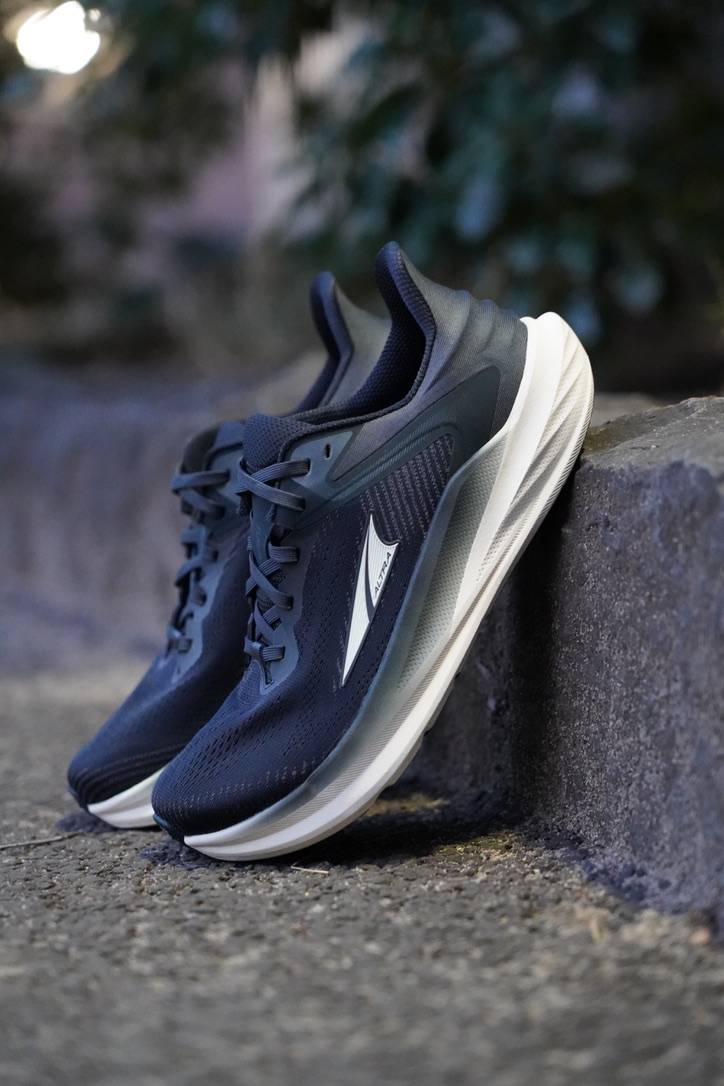
Common Problems and Choosing Shoes
Before I talk about the problems, there’s something I want to say.
That is, “It’s impossible to walk 100 kilometers without running into some kind of problem.”
“I’m out of snacks!” “I’ve got blisters on my feet!” “But I don’t have a safety pin!”—all kinds of problems will come up. There’s probably almost no one who doesn’t run into any problems.First and foremost, let’s cultivate the “grace” to laugh off even these setbacks.
During a 100-kilometer walk, problems like blisters, calluses, knee pain, lower back pain, and pressure on your toes are inevitable. In many cases, this is caused by ill-fitting shoes.
Running shoes, in particular, often have narrow toe boxes that easily constrict the feet, making them unsuitable for long-distance walking. Shoes with high heels can also disrupt your walking posture, potentially leading to lower back or shoulder pain.
Choosing the right shoes to maintain a natural walking posture is the first step in avoiding these problems.
Recommended Gear (Running Vests, Socks, Headlamps, Sunscreen)
Running Vests
Backpacks and rucksacks designed to carry gear often don’t fit your body well, causing fatigue or chafing on your back and shoulders. As the name suggests, running vests are designed to be “worn,” so they stay in place and remain comfortable even during long runs. They’re a popular choice among trail runners. Of course, I think it’s fine to start out with a knapsack or even a cheap backpack.However, the item that makes the biggest difference in comfort during a 100-kilometer walk is the pack you carry on your back. You’ll be carrying it for nearly 20 hours at the very least, and it’s exhausting when the contents shift around, rub against your back, or take time to retrieve each time. It really is. The more experienced you are and the more comfortably you want to walk, the more you’ll want to be particular about your pack.
Socks
Just like shoes, what works for one person may not work for another when it comes to socks. I highly recommend testing them thoroughly before the actual event. Casual socks containing cotton absorb sweat easily, making them unsuitable for prolonged physical activity. It’s best to choose socks made from quick-drying materials. For the 100-kilometer walk, socks with excellent quick-drying properties are an absolute must.
Headlamp
On a 100-kilometer walk, walking late at night is unavoidable. Therefore, a headlamp is essential. However, headlamps vary widely—from inexpensive models to bright ones with short battery life. Most 100-kilometer walks start at noon, and nearly all walkers walk through the night.While a dim light might suffice in the city, the 100-kilometer route often takes you along country roads and mountain trails. Choose a headlamp that combines brightness, long battery life, and ease of use.
Sunscreen
This is a particularly important point I want to emphasize: “A sunburn is a burn.”A “sporty person with a golden tan” may look cool, but the “physical damage” caused by sunburn is far more serious than you might imagine. Without that damage, you might be able to perform even better.
Haven’t you ever felt extremely tired after getting a deep tan? That’s because of sunburn. In fact, a sunburn refers to a state where the skin has been “burned” by sunlight.To counteract the strong bactericidal effects of ultraviolet (UV) rays, the skin triggers reactions such as “sunburn” (redness, swelling, and blisters) or “sun tanning” (darkening of the skin) in an attempt to protect the body.
Furthermore, exposure to UV rays not only causes the skin to tan but also generates free radicals within the body.Reactive oxygen species are “forms of oxygen with extremely strong oxidizing power”; they have high bactericidal properties and help fight off bacteria and viruses within the body. However, if reactive oxygen species become too abundant, they can even attack healthy cell membranes and DNA. Excessive reactive oxygen species oxidize the body, leading to the accumulation of fatigue-inducing substances and causing damage to tissues.
Recovering from sunburn—which leaves the skin and underlying tissues tanned—requires a great deal of energy, which in turn leads to fatigue. Sunburn not only causes skin deterioration but also reduces physical performance. By using reliable sunscreen and taking proper precautions to minimize damage, you can enjoy your time outdoors much more comfortably.
There are also skin protection creams, arm sleeves, hats, GPS watches with long battery life, and more. There’s so much to talk about, but for now, these are the top recommendations from our staff.
If you’d like to hear more details, please stop by STRIDE LAB.
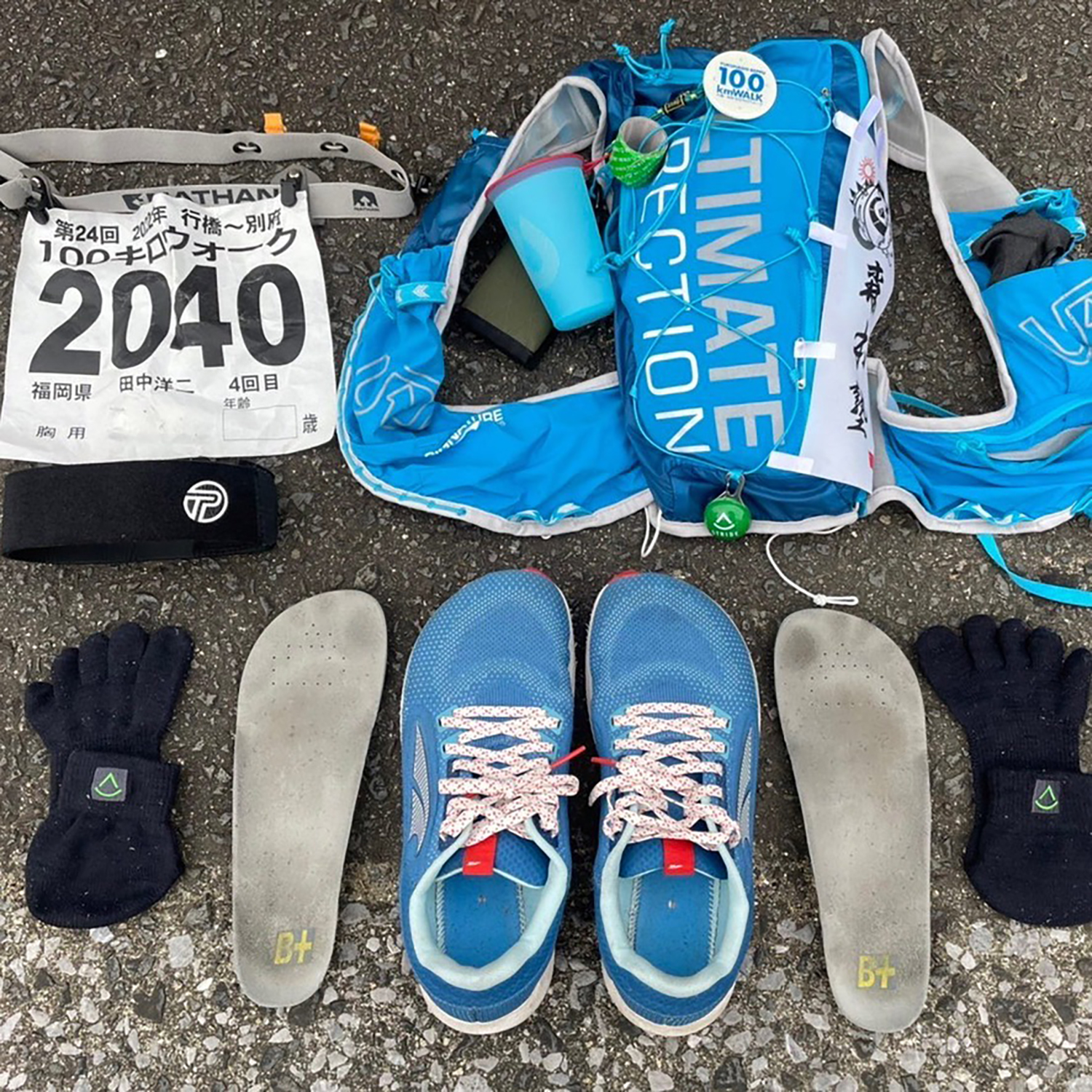
To All Participants in the 100-Kilometer Walk Challenge
To everyone who has decided to walk 100 kilometers, or anyone who is interested in doing so:
Please enjoy this challenge to the fullest!
With every step you take, you’ll discover a new side of yourself.
There may be difficult moments along the way. But it is precisely those steps that will prove your strength and endurance. Even though it was surely tough, a mysterious experience surely awaits you—one where, a few days after finishing the walk, you’ll look back and think, “That was fun.”
Please take care of your health and move forward one step at a time, at your own pace.
More than simply completing the 100-kilometer walk, the greatest success is continuing to walk while enjoying yourself.
I’m sending you my heartfelt encouragement.
“Why not try walking 100 kilometers—at least once a year, or at least once in your life?”