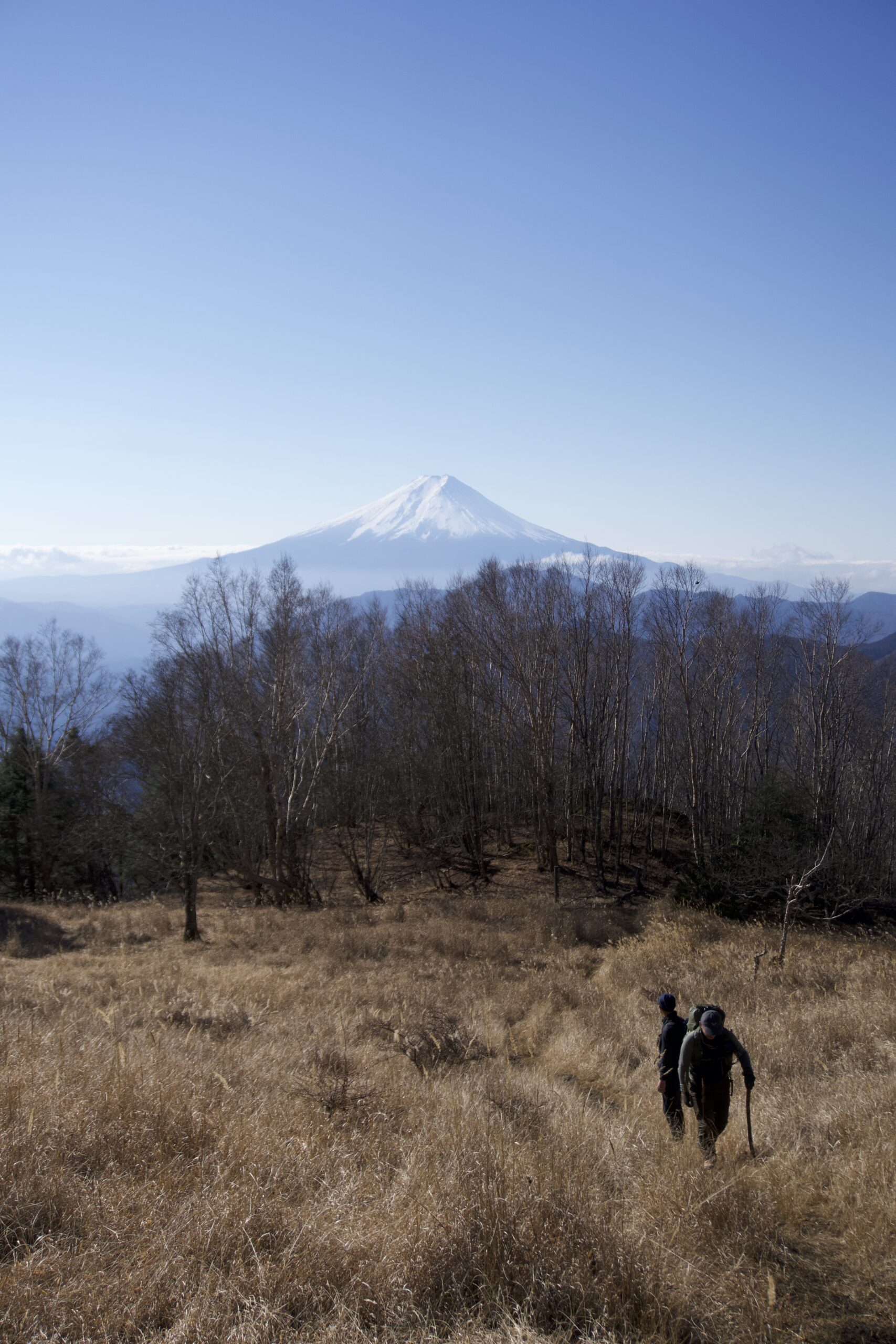



[Home Mountain] A Traverse Route with Spectacular Views of Mount Fuji: The Koganezawa Range (from Mount Daibosatsu to Mount Takiko)
2026.06.24
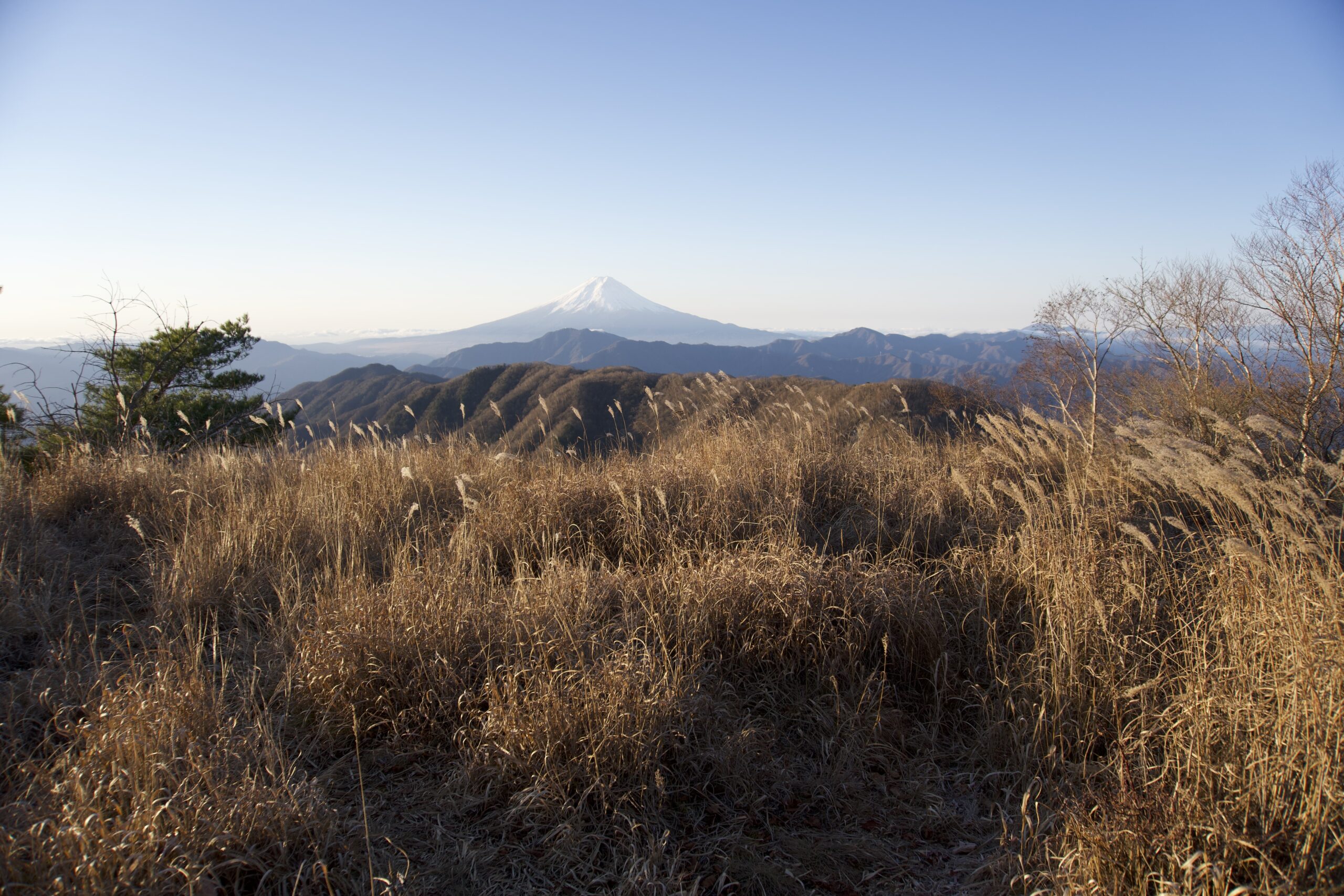
If someone asked me, “What mountains would you recommend for winter?” I’d recommend the Koganezawa Range without hesitation.
The ridge trail stretching from Mount Daibosatsu to Mount Takiko is at its best in winter, when autumn is in full swing and the air is crisp.
Personally, it’s my favorite route—the one I most want to hike during this time of year.
"Stunning Views" of Mount Fuji Visible from Every Angle
The biggest appeal of this route is that no matter where you walk, you can see the majestic Mount Fuji.
Since it reveals a different face from every vantage point, this area is a must-see for Mount Fuji enthusiasts.
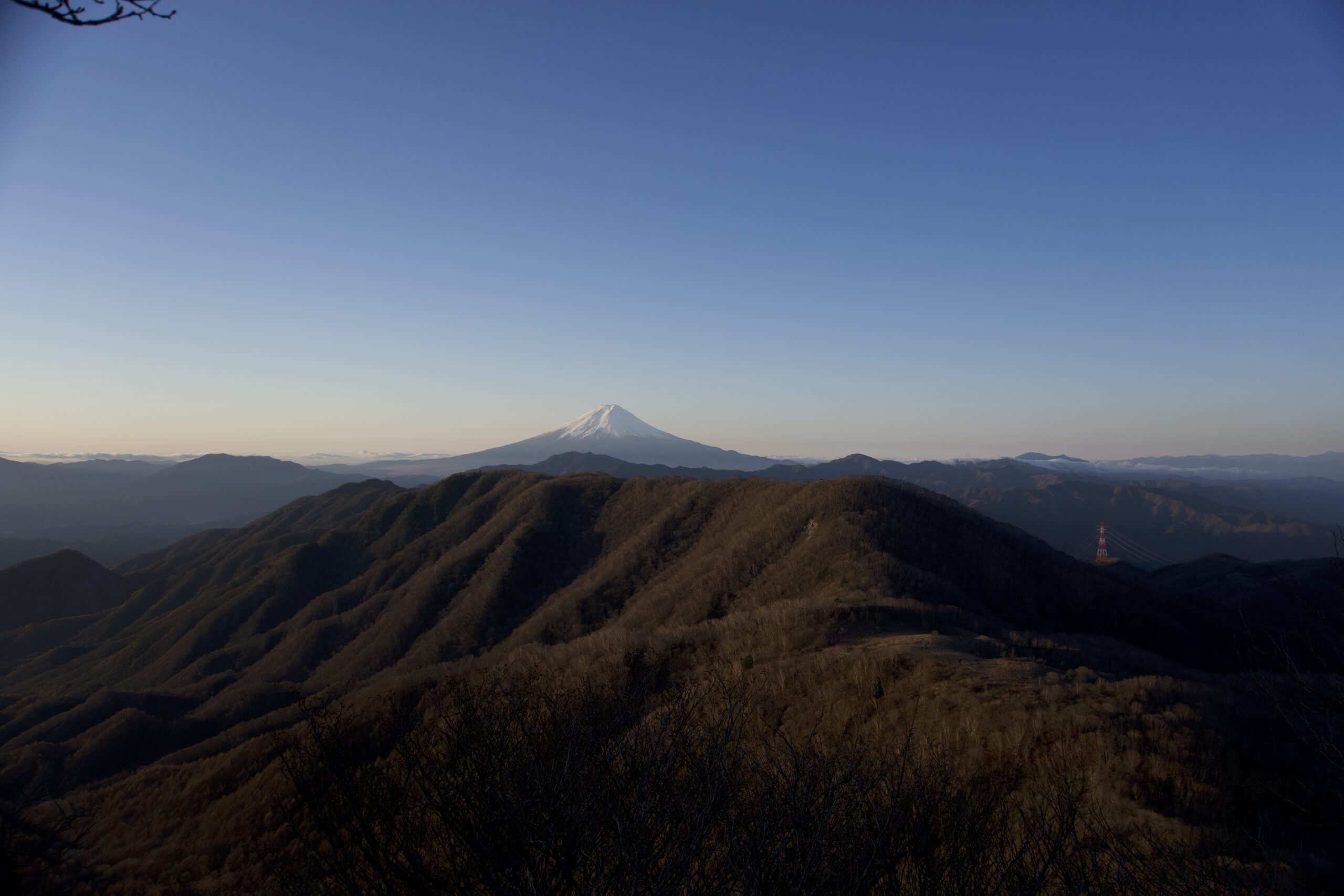
In winter, you’re far more likely to see Mount Fuji at its most beautiful.
Mount Fuji in winter is simply extraordinary. The air is crisp, offering a clear view of the mountain.
The sense of perspective is completely different from summer. Every time I see Mount Fuji, I can’t help but stop in my tracks.
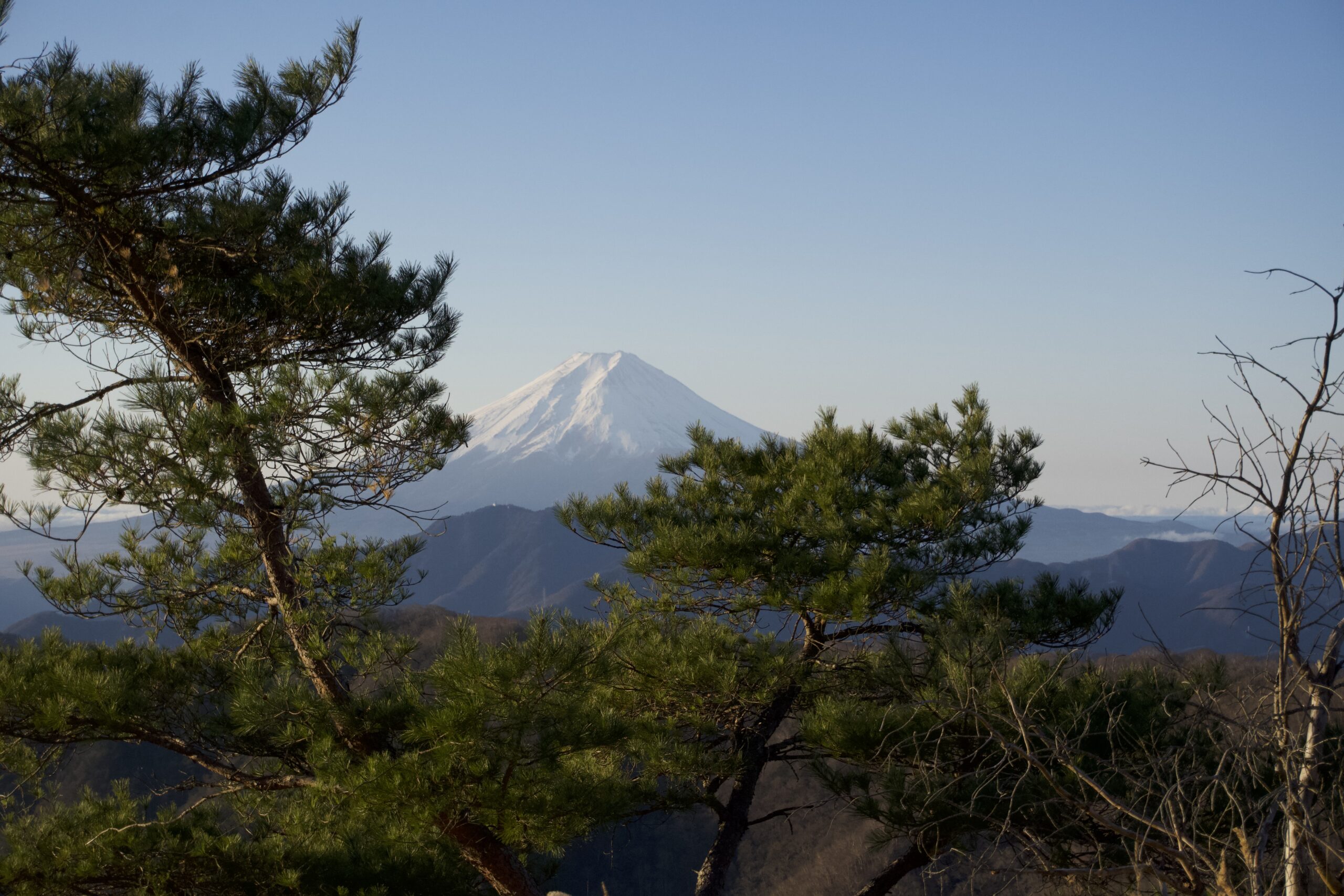
A quiet, easy-to-walk ridge trail with varied scenery
The Koganezawa Mountain Range is a region that offers the perfect combination of three key features: peaceful hiking, diverse vegetation, and a pleasant, continuous ridge line.
It’s highly recommended for those who prefer to avoid crowds, and it offers an exceptionally rewarding hiking experience.
A hike along a ridge at an elevation of around 2,000 meters—hard to believe it’s just outside Tokyo
Despite its easy access, the ridges you can hike are quite challenging. You can hike through a mountainous area at relatively high elevations, ranging from 1,500 to 2,000 meters.
Mt. Daibosatsu (2,056 m)
Koganezawa Mountain (2,014 m)
Ushioku no Karigahara-zuriyama (1,992 m)
Kurodake (1,987 m)
Yunozawa Pass (1,655 m)
Okura-Takamaru (1,775 m)
Hamaiba-maru (1,751 m)
Takiko-yama (1,590 m)
Supplies and Mountain Huts
There are no commercial huts, no shops, and no vending machines in the Koganezawa Mountain Range. Since this is an area with absolutely no resupply points, you’ll need to carefully calculate and bring your own food and water in advance.
The only facilities are located at Yunozawa Pass:
▼Emergency shelter
▼Restroom
▼Water source (narrow stream—a water filter is recommended)
Especially in winter, when temperatures are low and daylight hours are short, thorough preparation is essential for your hiking plan and gear.
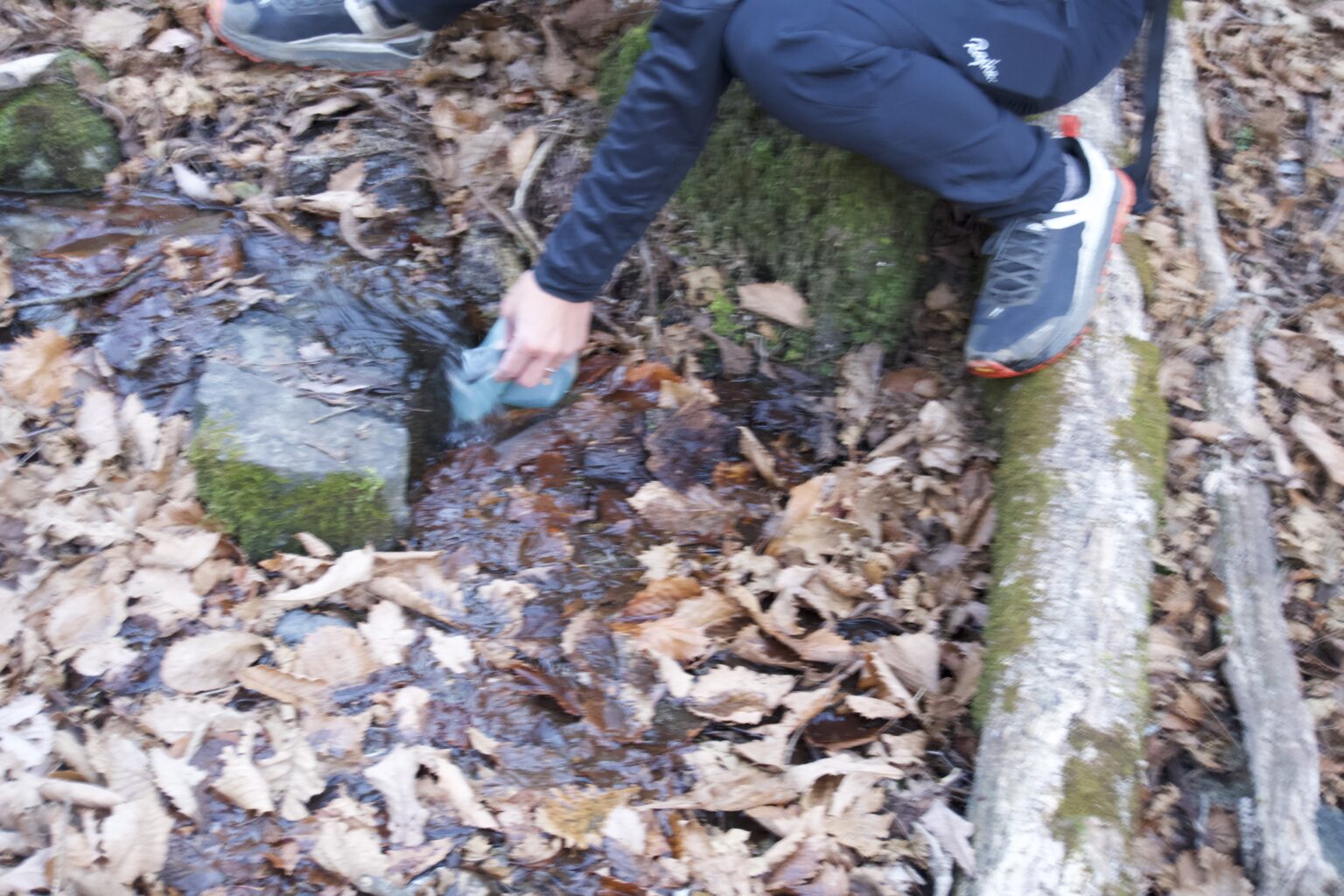
Make sure your route and gear are in order
While the Koganezawa Mountain Range is enjoyable for beginners to intermediate hikers when tackling individual peaks, a traverse requires proper gear and careful planning.
▼Planning for Snacks and Hydration
▼Winter Cold Protection and Layering
▼Checking the “Mountains and Highlands” Map or a Map App in Advance
These are essential for a safe and comfortable hike.
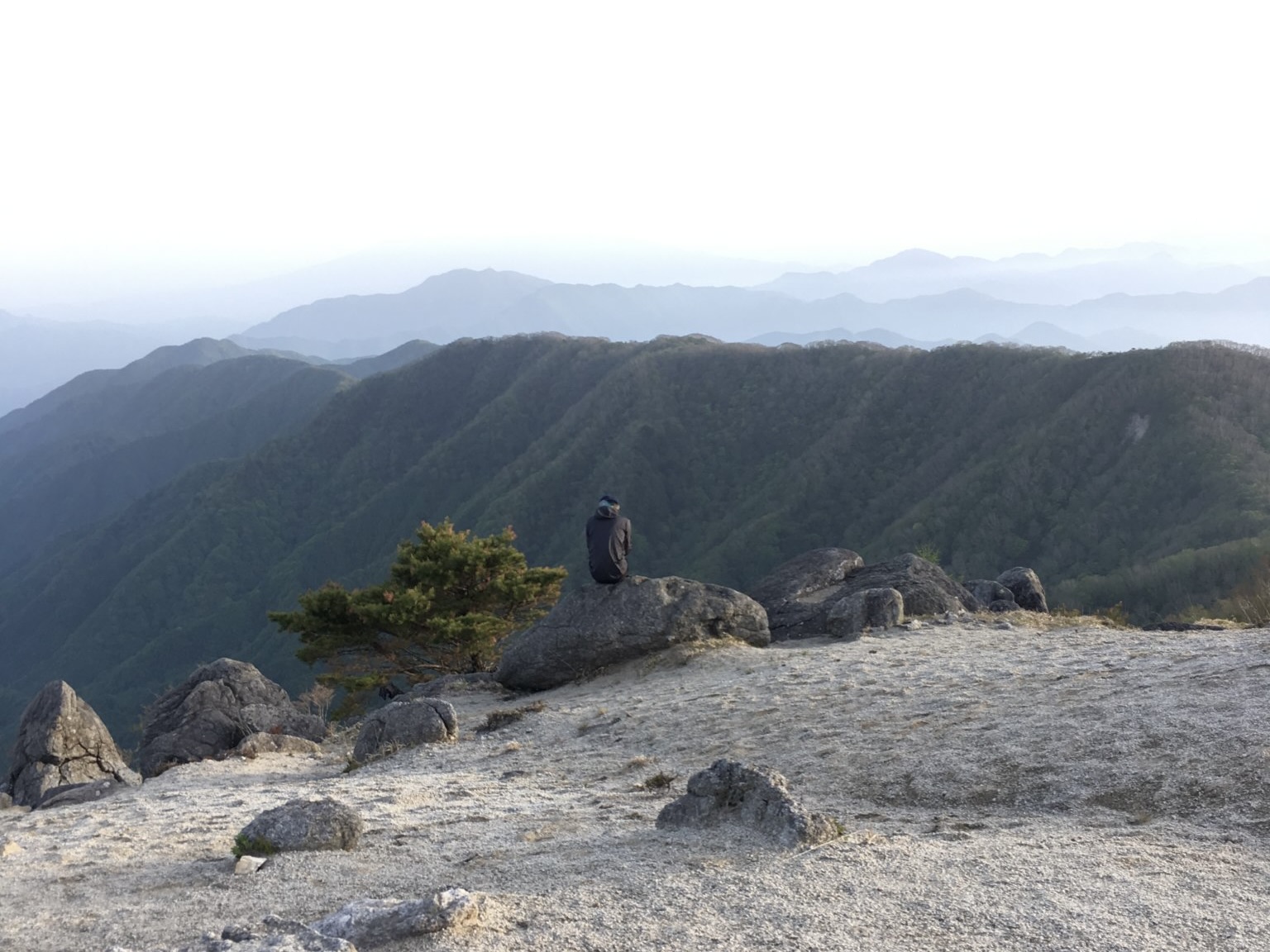
My favorite spot is right here. On a clear day, you can see Mount Fuji straight ahead.
Directions
Access by Public Transportation
▼Kai-Yamato Station → Kamihikawa Pass (Bus)
*Check Eiwa Kotsu for the latest information.
▼For the descent, head toward JR Sasago Station, Hatsukari Station, or Otsuki Station.
This area offers a wide variety of options, making it easy to plan a traverse hike.
▼Enzan Station → Koshu City Transverse Route
This route can be used depending on your itinerary, giving you more flexibility in your planning.
*Please note that some forest roads are closed during the winter.