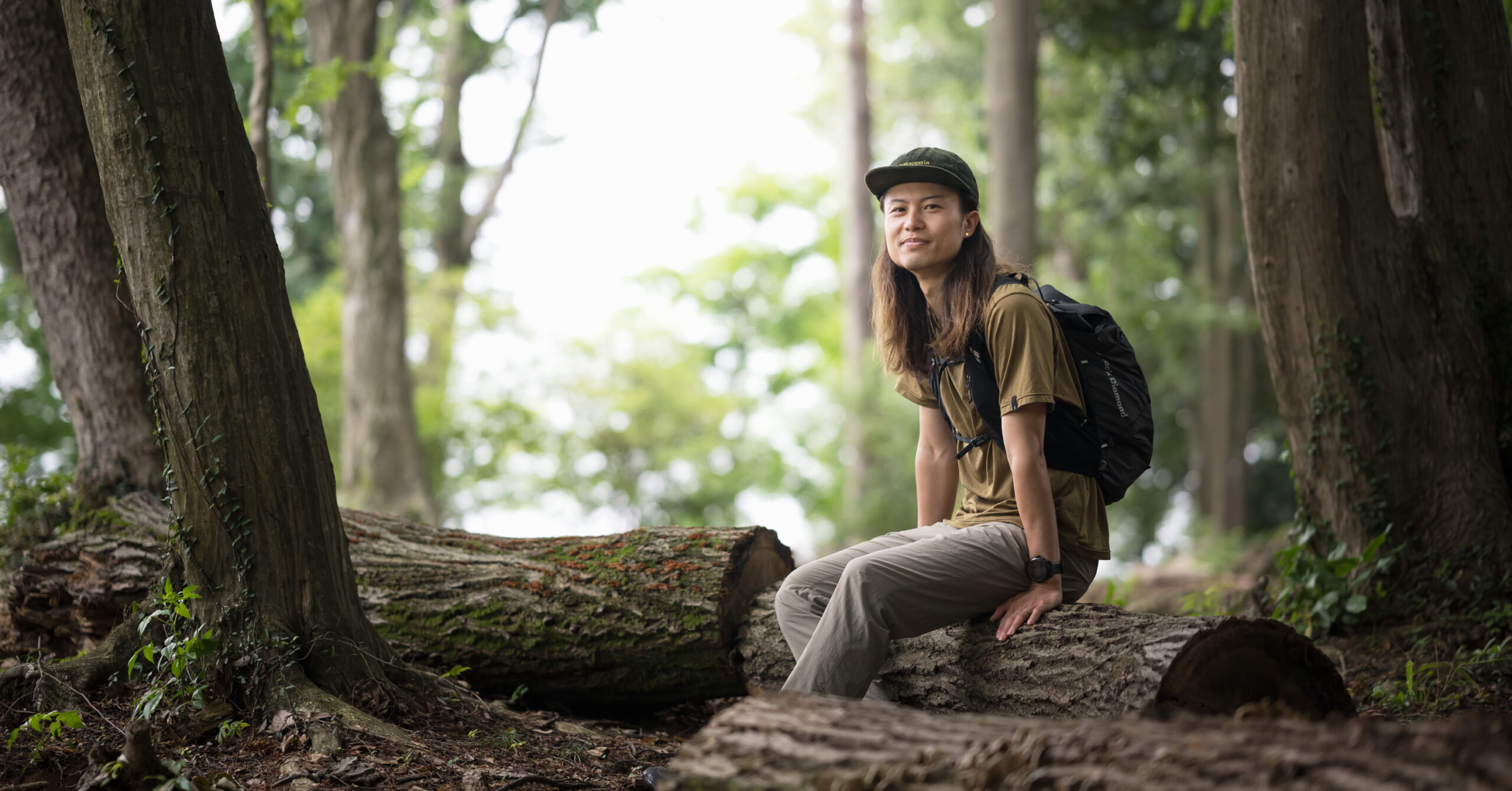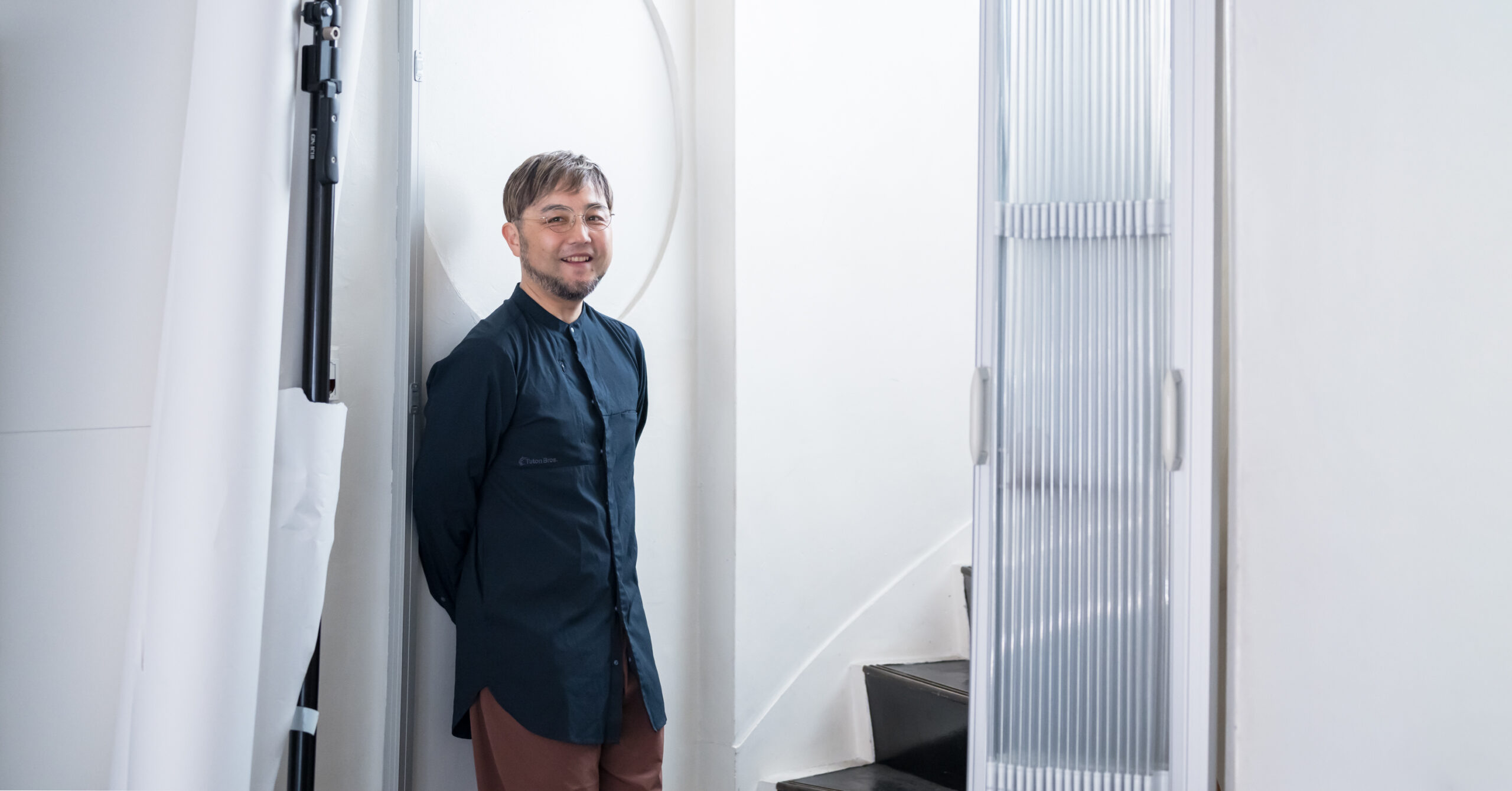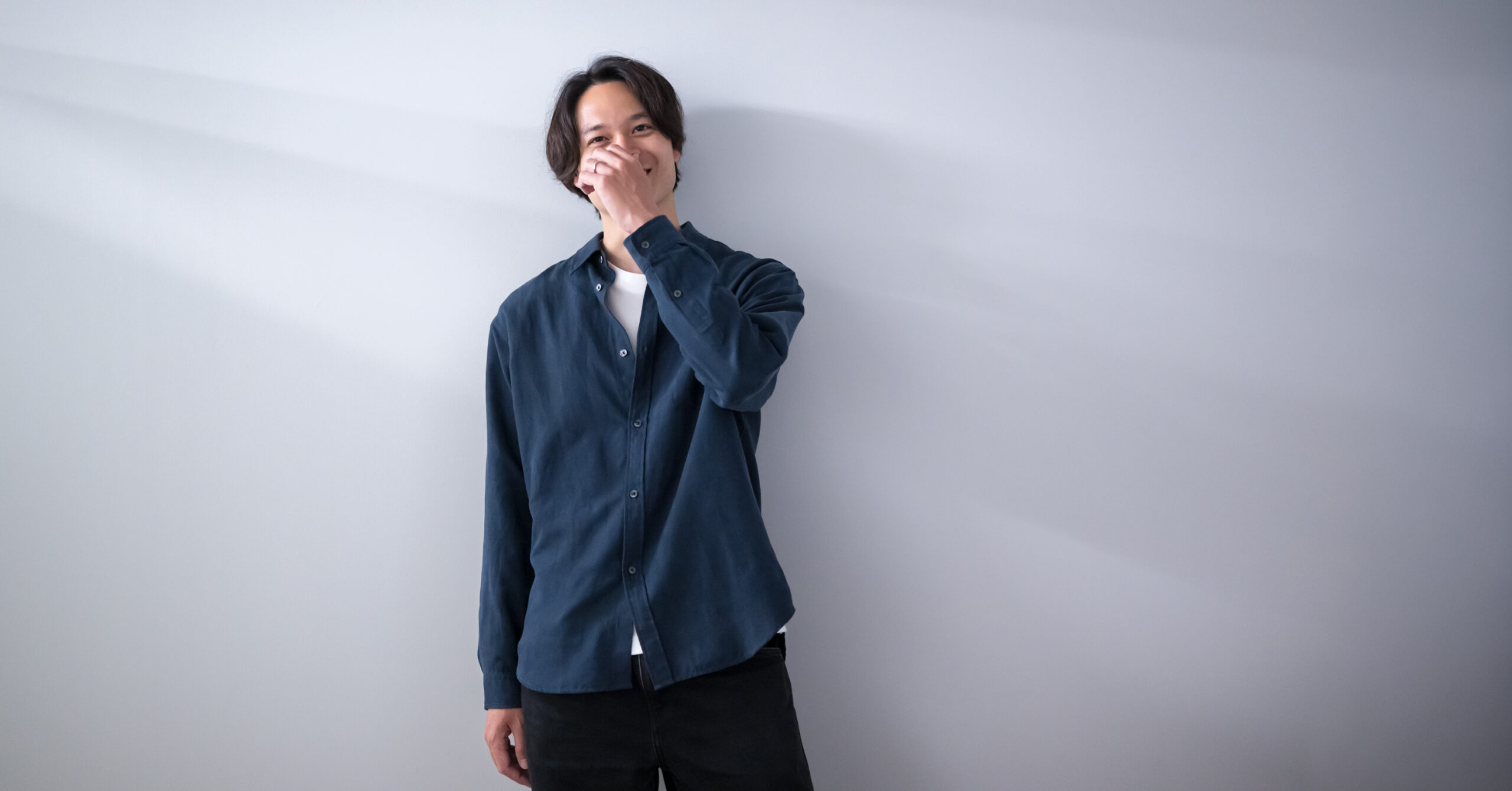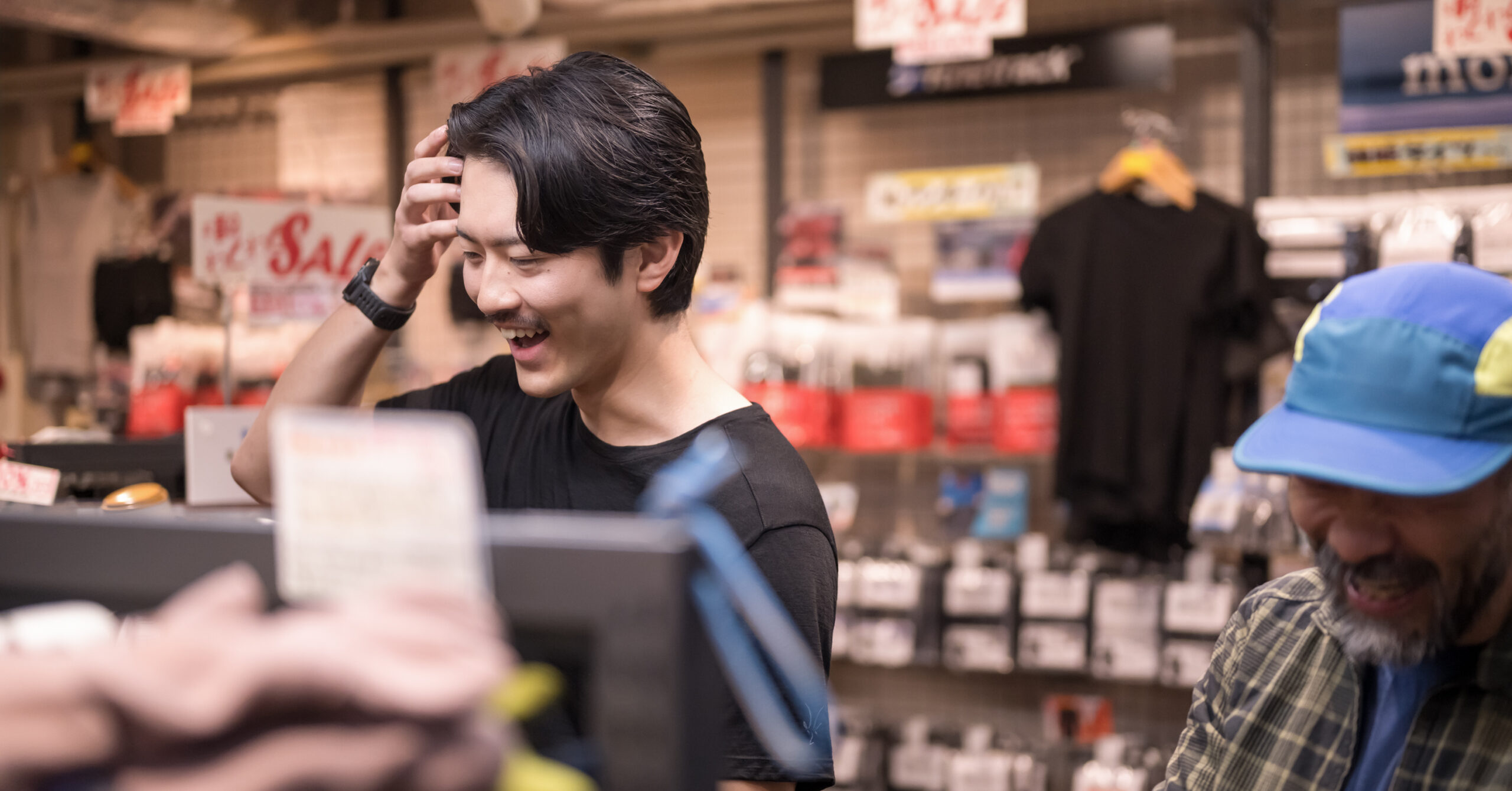




STRIDE LAB, which continues to expand nationwide, serves as a frontline base in the field, playing a key role in sharing the joy of outdoor play with local communities. In this feature, we focus on the Myoko store, one of the chain’s flagship locations. We’d like to introduce Shunsuke Komamura, a born athlete who has competed in the Winter Olympics.
Text by Toshiaki Ito
Photos by Gaku Hiramoto
The store manager is an Olympian.
For outdoor enthusiasts, the Myoko Kogen region in Niigata Prefecture is a paradise. In the summer, it bustles with hikers heading to the trailheads of Mount Myoko and Mount Hiuchi, and in the winter, skiers and snowboarders—including many from overseas—flock here in search of abundant snow. It is a premier destination where you can enjoy all kinds of outdoor activities year-round.
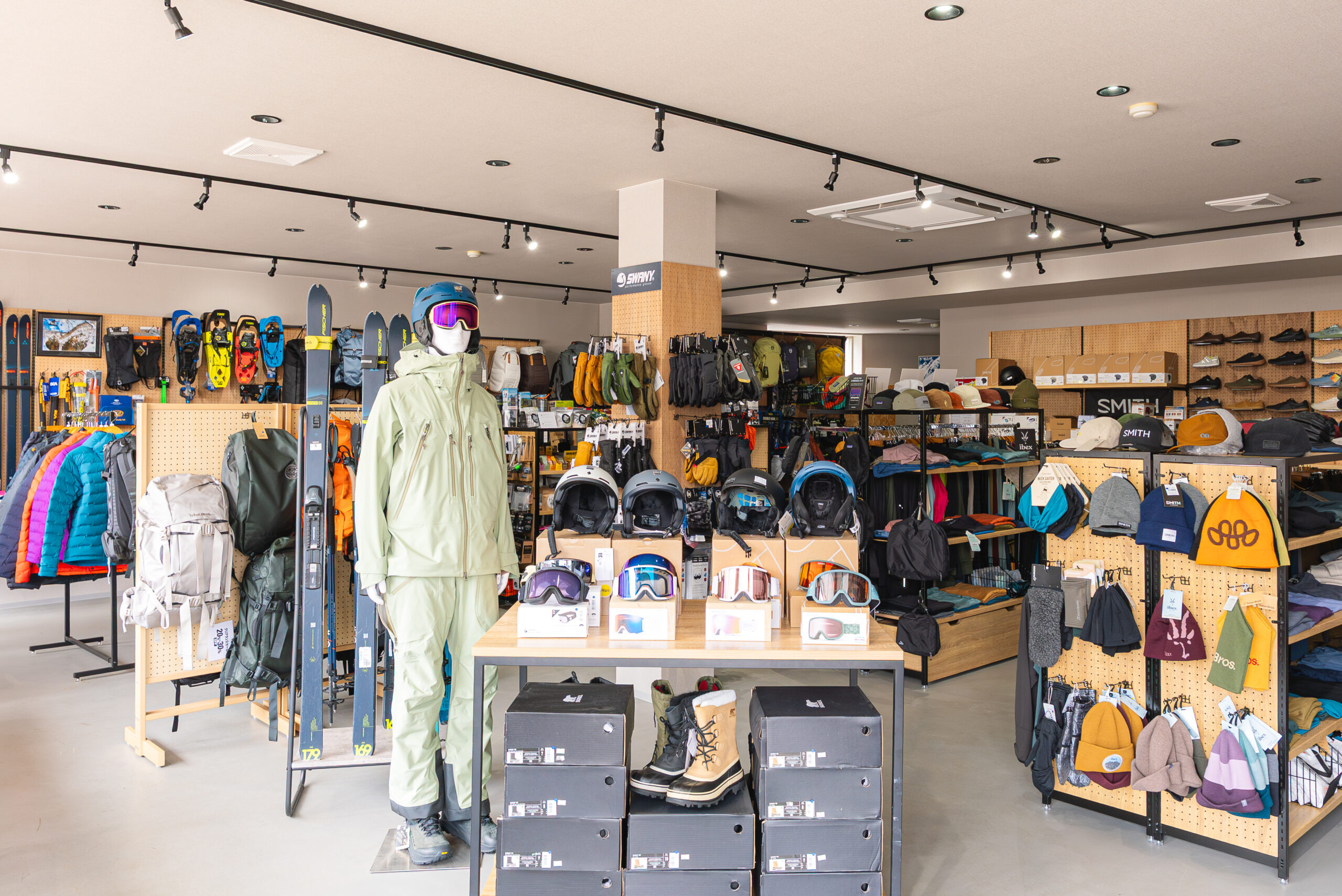
When you get off the train or bus at Myoko Kogen Station, “Stride Lab Myoko” is right in front of you. True to its status as a gateway shop to the outdoors, it carries a wide range of products—from “ALTRA” shoes and “NEMO” tents to“Ibex” wool apparel, as well as a wide range of products befitting a gateway shop to the outdoors—from mountaineering gear like stoves and cookware to a full set of backcountry cross-country skiing equipment for the winter.

Store Manager Shunsuke Komamura is a native of Myoko.He is a true athlete who even competed in the Olympics as a cross-country skier. After retiring from competitive sports, he discovered Stride through his love of trail running—during which he frequently wore Altra shoes and Teton Bros. apparel—and joined the Stride Group in time for the opening of the Myoko store in 2022.
His previous job was at a company that dealt in tea and health foods. He worked there while receiving support during his athletic career and continued to work there for a long time even after retiring.
“At my previous job, I did a variety of things, from sales to actually making tea at the factory. Just as I’ve been able to keep up with cross-country skiing all this time, I think I’m the type of person who can steadily keep at unassuming tasks.I didn’t mind working alone in the factory, quietly blending tea—in fact, that kind of work actually suited me. I think I’m cut out for steady, meticulous work, like that of a craftsman.”
He started cross-country skiing in the third grade. Back then, at his elementary school in Myoko, afternoon classes were replaced with skiing lessons during the winter.
“At a certain point, we were allowed to choose between cross-country and alpine skiing, whichever we preferred. My older brother, who was two grades ahead of me, did cross-country, so I chose it without giving it much thought, but I think I was well-suited for it.”
He had endurance and strength, and was tall for a Japanese person. Above all, he was able to stick with even the most monotonous training without complaint. As an all-rounder, he excelled at everything from sprints to 50-kilometer long-distance races, but if he had to choose, he preferred long-distance races.

“Technically speaking, I preferred the classic style, where you glide the skis back and forth. If anything, I had the impression that skating emphasized power, whereas I think the classic style demands more technical skill. I really delved into that aspect, constantly striving to figure out how I could ski better than the larger foreign athletes.”
After retiring from cross-country skiing, I took up trail running at a friend’s invitation. I intended it to be just a hobby, but “my competitive streak got the better of me (laughs),” and I became completely absorbed in it.
“I competed in quite a few races, and whenever I entered one, I aimed to win or place. It definitely wasn’t just a hobby.”
He had no complaints about his job. He also felt indebted to the company for supporting his athletic career. However, something was smoldering deep within him.
“I’d always wanted to work in a field related to the sport I’d been involved in for so long, so meeting Stride came at the perfect time.”
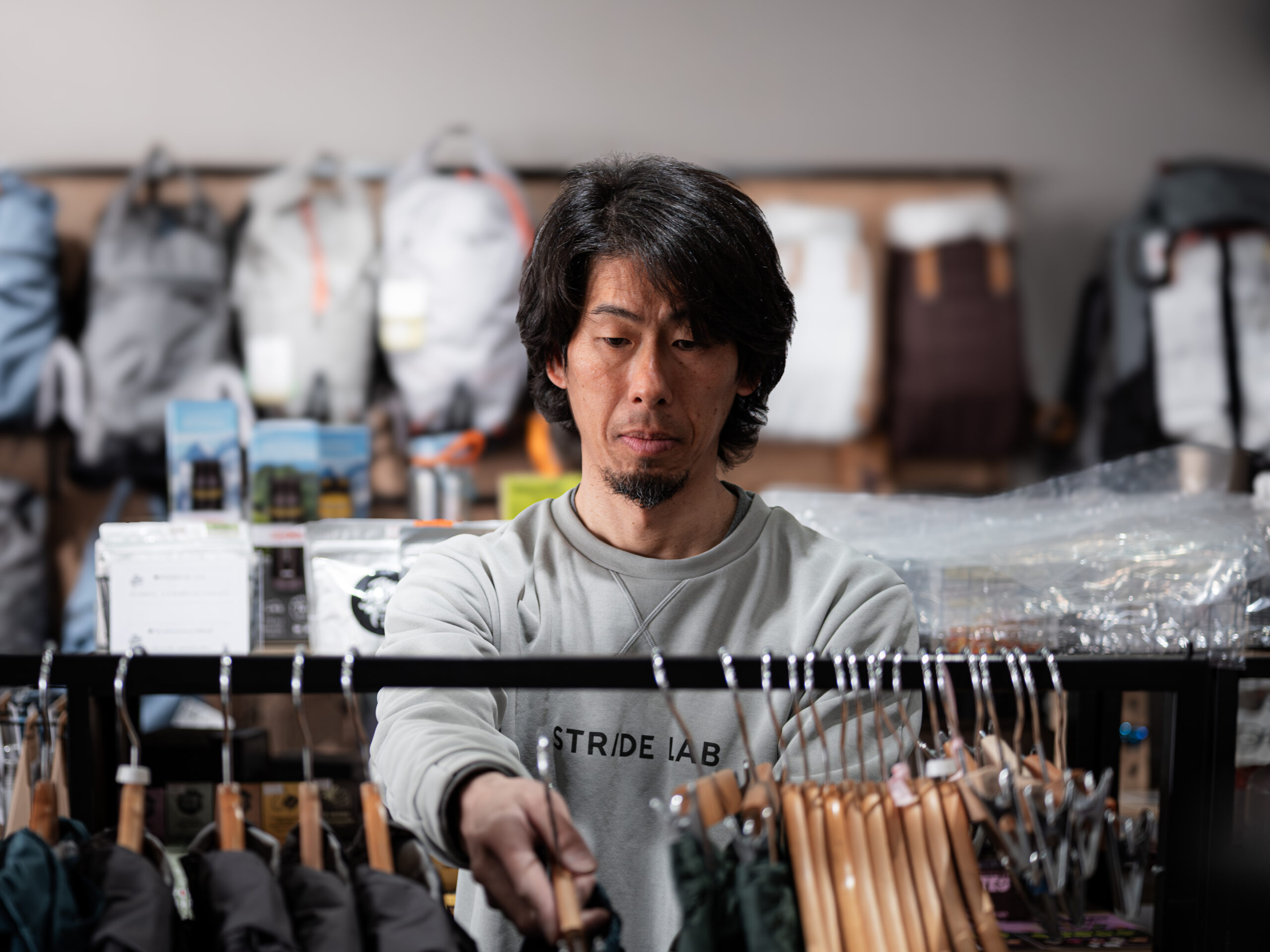
My dream is to go to a café in Kurokan
Each Stride Lab location hosts events rooted in its local community, and the Myoko branch is no exception. Runners flock to this high-altitude plateau—which is cooler than the lowlands—in search of relief from the heat.Even the track and field team from Aoyama Gakuin University—a powerhouse in the Hakone Ekiden—holds its spring and summer training camps here in Myoko. Events at the Myoko store also began with night runs after closing time.
“At first, I’d ask friends to join me. It was tough at the beginning because it was hard to get people together, but every time we held an event, I’d post on Instagram saying, ‘We’re doing it’ or ‘We did it.’ As I kept this up, the number of participants gradually grew.”
Now, 20 to 30 people gather for the early-morning runs every time.At the final session last year, a whopping 40 people gathered in front of Myoko Kogen Station at 6:30 a.m.! The group splits into walking and running groups, and after about an hour of exercise, it’s tradition to enjoy a breakfast of bread and coffee at “Myoko Coffee,” located right next to the Myoko store. The number of older participants is also gradually increasing.
“It makes me happy when they say things like, ‘It’s so much fun to talk with such young people.’ I think it’s a great community that’s open to people of all ages and fitness levels.”
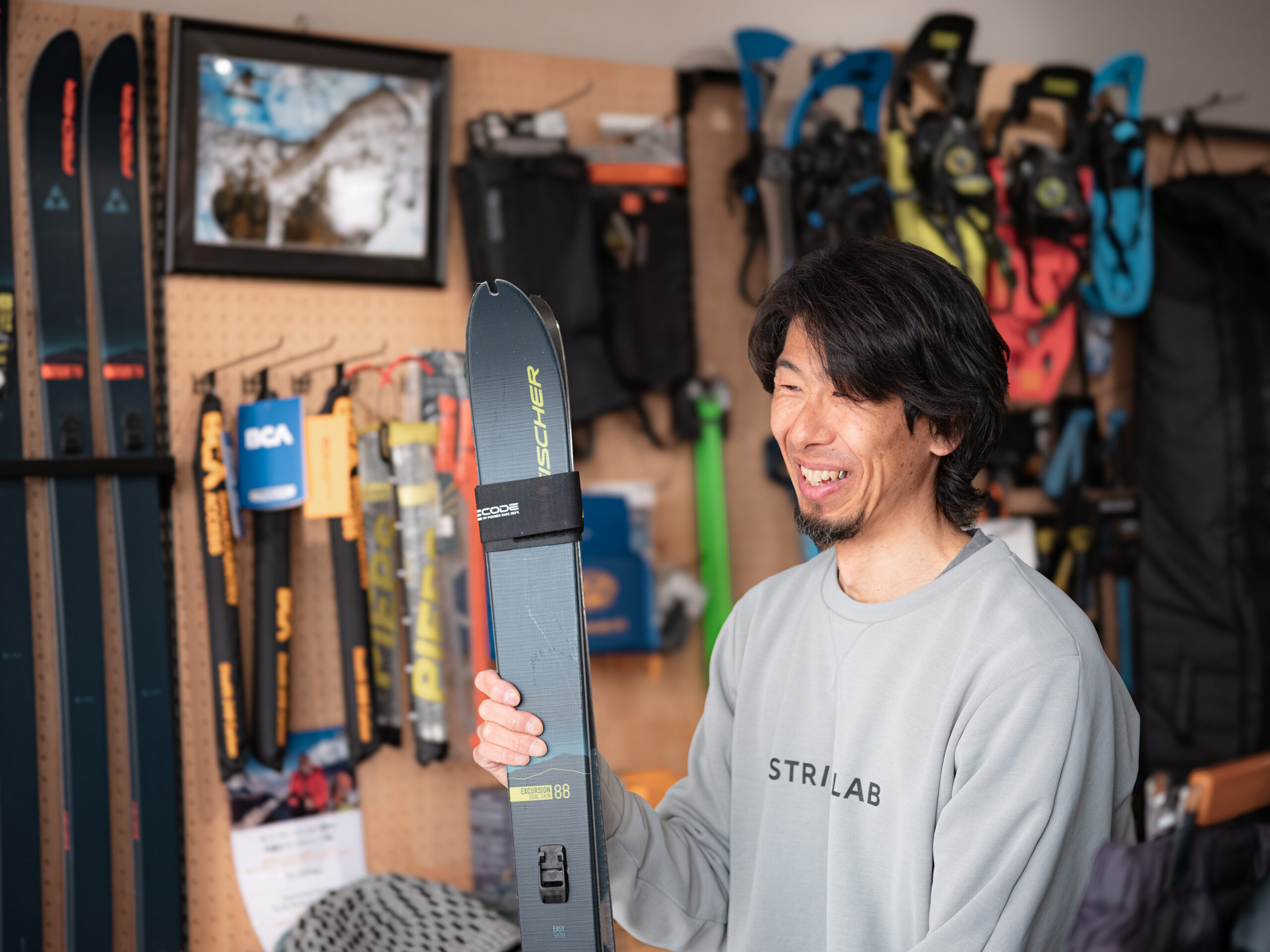
In winter, it’s all about skiing, of course. We hold BC Cross-Country events almost every weekend.
BC Cross-Country is a style of cross-country skiing that uses skis that are wider and have edges compared to competitive skis.The skis have scale-like grips on the base, allowing you to climb and descend slopes using only these. Because they offer greater stability than competitive skis, you can venture off the groomed trails into the natural backcountry. From forest roads closed in winter to areas overgrown with grass and inaccessible in summer—as long as there’s snow, everything becomes your playground.
“There are views you can only see when there’s snow. The appeal of backcountry cross-country skiing is being able to go out on your own two feet to experience those views. I used to want more people to know that such scenery exists, but lately, I’ve come to want to go see it with them myself.”
That’s when I feel the most fulfillment in my work.
“I sometimes wonder if this is the right approach for a salesperson, but I don’t want to just sell products and be done with it—I want to suggest ways to enjoy the outdoors beyond that. The best part, for me, is seeing people use the gear and sharing the same outdoor experiences with them.”
Early one morning before the store opened, Komamura took me for a walk on the snow. The backcountry cross-country gear is surprisingly light. The boots feel more like hiking boots—or rather, lightweight trekking shoes. When I pushed off the snow with one foot, the skis glided smoothly and effortlessly.
The sensation—completely different from walking or running—was refreshing and, above all, fun. In Myoko, known for its heavy snowfall, you can usually enjoy this sport until around the Golden Week holidays in May. The Myoko store is also planning events for Golden Week. If you’re interested, be sure to check out the shop’s Instagram.
Finally, I asked him what he’d like to try next.
“Overseas resorts have long cross-country trails that connect one town to another. In the same vein, I’d like to organize a tour in the Myoko area, for example, that connects the base areas of ski resorts like Akakura Kanko, Ikenohira, and Suginohara. There are events where people ski to visit delicious bakeries and cafes—doing that on cross-country skis is one of my dreams.”
It’s hard to imagine someone who’s the type to steadily build things up one step at a time talking about something so outlandish and seemingly impossible. Even though he calls it a dream, I suspect Komamura already has a virtual route mapped out in his head. I can’t help but get my hopes up, feeling that an interesting tour might actually come to fruition next winter.
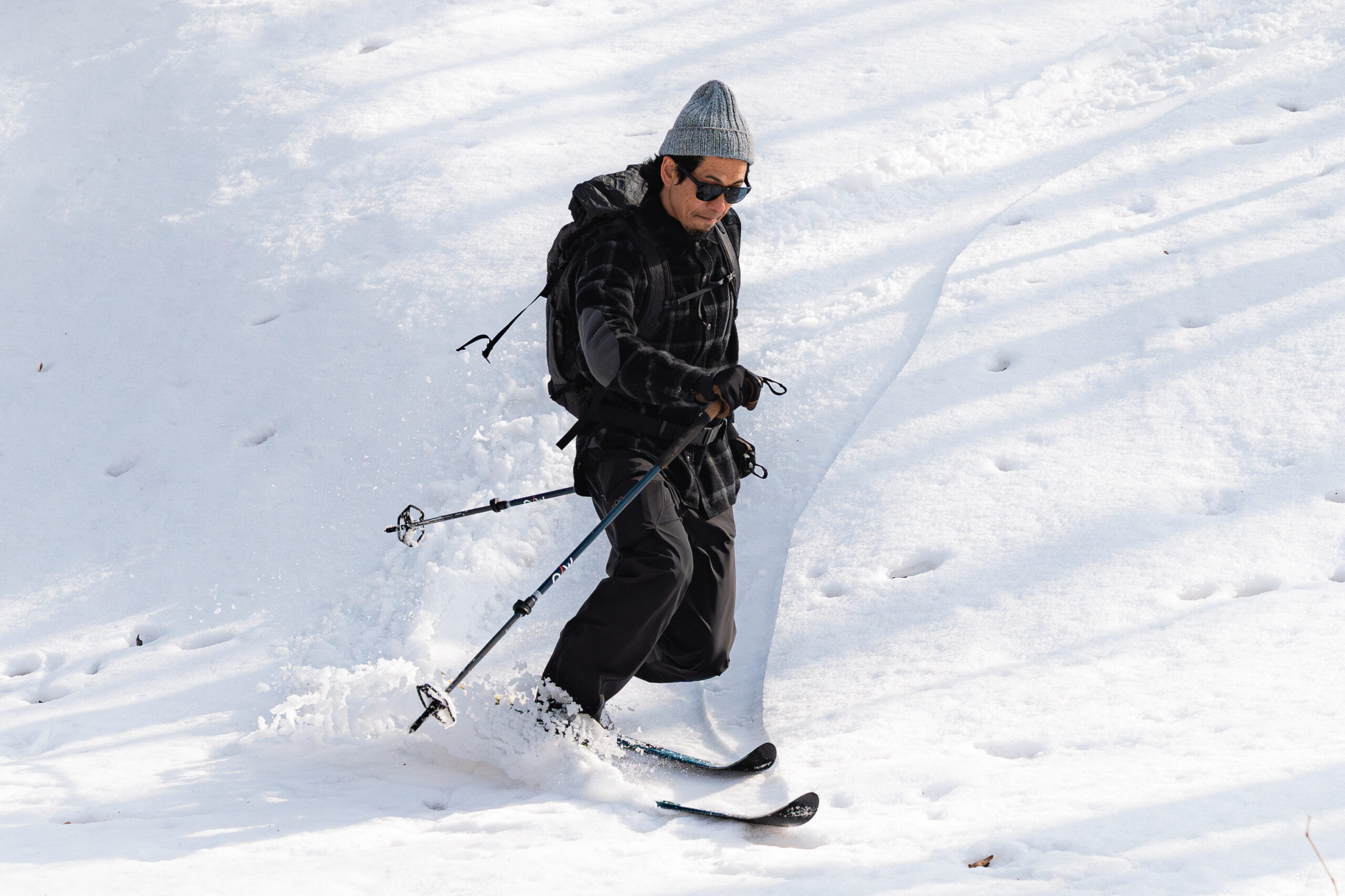
Profile
Shunsuke Komamura
Born in Myoko City, Niigata Prefecture.He competed in cross-country skiing at the 2006 Turin Olympics. After running trails with Altra, he discovered Stride and went on to become the manager of Stride Lab Myoko. With the 2026 Olympics approaching, attention is turning toward cross-country skiing, and inquiries about backcountry cross-country skiing have been on the rise. It has been a winter that has given him a real sense of momentum.